
Cold Calling in Karachi: My PhD in Rejection
/ 4 min read
Table of Contents
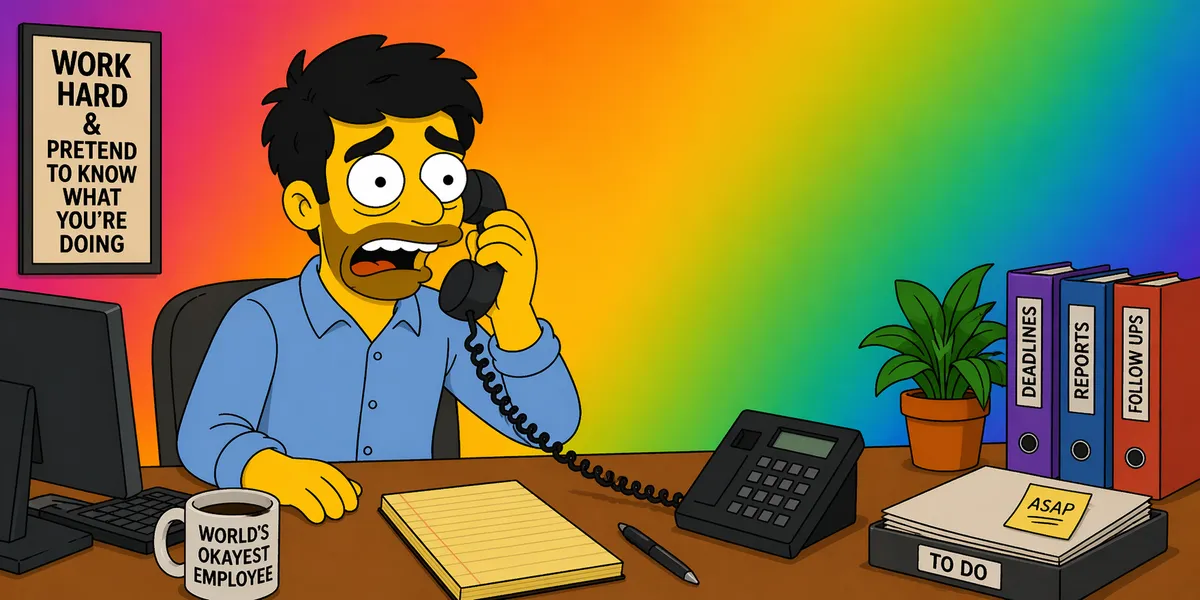
My first call ended before I finished introducing myself.
The second one? The guy hung up with language I won’t repeat here. Third call went to voicemail. I left a message nobody ever returned. By lunch I had made eleven calls and achieved absolutely nothing except a mild existential crisis and the sudden urge to reconsider every life decision that led me to this chair.
This was January 2020. Fresh intern at Transdata Solutions. Armed with ambition, zero real experience, and a call list that felt longer than my future.
The Script Nobody Gives You
Here’s what they don’t tell you about cold calling. You walk in thinking it’s about convincing people. You have your pitch ready. You know the product. You’ve practiced the introduction in the mirror. You are ready.
You are not ready.
The first month I made hundreds of calls. Hundreds. Focused, disciplined, hitting my numbers. Also completely useless — because I was so obsessed with introducing myself that I forgot the person on the other end is a human being with actual problems who did not wake up that morning hoping someone would call about IT solutions.
They didn’t want to hear my pitch.
They wanted to be heard.
I had it completely backwards.
The Imposter in the Room
Somewhere around week three I hit a wall that Do I even have a real job — or am I just calling strangers to trick them into buying things they probably don’t need?
That’s a hard feeling to sit with. You’re disrupting someone’s Tuesday afternoon. Someone busy, stressed, already annoyed. And your entire job is to turn that interruption into a transaction.
It felt wrong. Honestly it still feels wrong when I describe it that way.
But that discomfort was useful. It forced a question that changed everything — if I wouldn’t want to receive this call, why am I making it this way?
Jeb Blount calls this the first real crisis of every salesperson in Fanatical Prospecting. The moment you stop performing the job and start actually thinking about it. Most people push through it by memorizing rebuttals. I didn’t have rebuttals. I had awkward silences and a growing suspicion that quantity alone was never going to save me.
What I Wish Someone Had Told Me
By month two I had dropped the volume. Sixty to seventy calls instead of hundreds. I was listening more. Asking questions. Letting people talk.
And then accidentally stumbled onto something.
When someone sensed it was a cold call — and they always sensed it — instead of pushing through the pitch I’d just stop. Drop the script. Crack a small joke. Then say something like — “look, you already know why I’m calling, so let’s skip that part. What’s actually giving you trouble right now? Maybe we can help, maybe we can’t, but at least we’ll both stop wasting each other’s time.”
I didn’t know it then but this has a name. Chris Voss calls it a pattern interrupt in Never Split the Difference — deliberately breaking the expected script so the other person stops reacting defensively and starts actually responding. It works because it’s unexpected. And because it’s honest.
Here’s the other thing nobody tells you about cold calling. The gatekeeper isn’t your enemy. They’re your map. Most people spend energy trying to bypass them. The smarter move is finding the right person inside an organization and building actual trust with them. Not selling one product. Opening a relationship.
Neil Rackham figured this out decades ago in SPIN Selling. Stop leading with your solution. Start with their situation, their problem, their pain. The sale is a byproduct of genuine understanding — not the goal itself.
I didn’t crack that code at Transdata. I want to be honest about that. I never closed a significant deal. I left without a success story worth putting on a CV.
But I left understanding something no classroom had taught me — that the person who feels genuinely heard becomes the person who trusts you. And trust, in any business, is the only currency that compounds.
What Cold Calling Actually Teaches You
People skip cold calling when they can. I understand why. Uncomfortable, repetitive, statistically brutal.
But I think it should be mandatory. Not because rejection builds character — that’s what people say when they want to sound wise about something painful.
Because cold calling forces you to learn the one skill every business discipline quietly depends on and nobody formally teaches — how to make someone feel understood in sixty seconds or less.
That skill didn’t stay in the internship. It followed me into every stakeholder meeting, every client presentation, every change management conversation since. When I now sit across from a department head who doesn’t want a new system, I’m not selling features. I’m listening for the problem underneath the resistance.
Same call. Different chair.
Transdata was never about closing. It was about learning what closing actually requires.